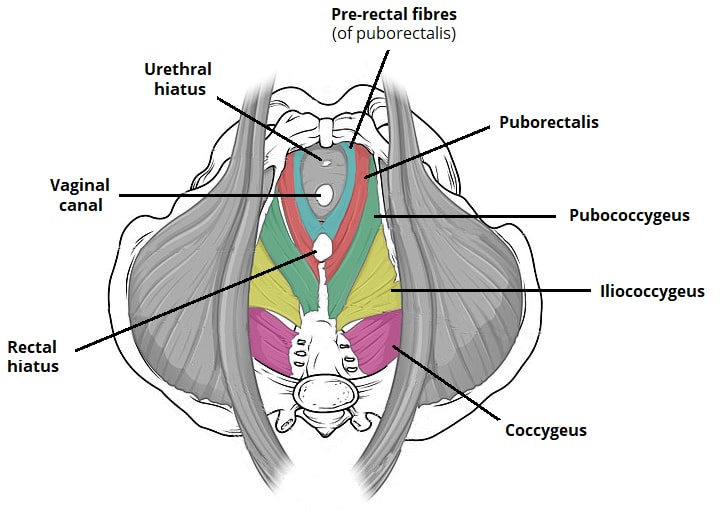
Kegel exercises are simple yet highly effective movements designed to strengthen the pelvic floor muscles. These muscles play a crucial role in supporting the bladder, bowel, and reproductive organs. Whether you’re dealing with urinary issues, recovering after childbirth, or looking to improve sexual health, Kegel exercises can provide long-term benefits.
What Are Kegel Exercises?
Kegel exercises involve tightening and relaxing the pelvic floor muscles. These are the same muscles you use to stop urination midstream. Named after Dr. Arnold Kegel, these exercises are widely recommended for both men and women to improve pelvic health.
Benefits of Kegel Exercises
1. Improved Bladder Control
Kegels help reduce urinary incontinence and prevent leakage, especially during coughing, sneezing, or lifting heavy objects.
2. Enhanced Sexual Health
Regular practice can increase sensitivity and improve sexual performance in both men and women.
3. Postpartum Recovery
For women, Kegel exercises help restore muscle strength after childbirth.
4. Support After Prostate Surgery
Men recovering from prostate surgery often use Kegels to regain bladder control.
5. Better Core Stability
Strong pelvic floor muscles contribute to overall core strength and stability.
How to Do Kegel Exercises Correctly
Step-by-Step Guide
- Identify your pelvic floor muscles (try stopping urine flow once to locate them)
- Empty your bladder before starting
- Sit, stand, or lie down comfortably
- Tighten the pelvic floor muscles
- Hold the contraction for 3–5 seconds
- Relax for 3–5 seconds
- Repeat 10–15 times per session
Perform this routine 2–3 times daily for best results.
Tips for Beginners
- Avoid tightening your abdomen, thighs, or buttocks
- Breathe normally during exercises
- Stay consistent for noticeable improvement
- Do not perform Kegels while urinating regularly
Kegel Exercises for Men vs Women
For Men
Kegels can help improve erectile function, stamina, and bladder control.
For Women
They are especially beneficial during pregnancy, after childbirth, and for preventing pelvic organ prolapse.
Common Mistakes to Avoid
- Holding your breath
- Overtraining the muscles
- Using the wrong muscle group
- Expecting instant results
How Long Does It Take to See Results?
With consistent practice, most people begin to notice improvements within 3 to 6 weeks. Long-term commitment leads to better and lasting results.
FAQ Section
How often should I do Kegel exercises?
You should aim for 2–3 sessions per day, with 10–15 repetitions per session.
Can Kegel exercises be harmful?
They are safe when done correctly, but overdoing them can cause muscle fatigue.
Do Kegels really work?
Yes, scientific studies show they are effective for improving bladder control and pelvic strength.
Can beginners do Kegel exercises?
Absolutely. They are simple and suitable for people of all fitness levels.